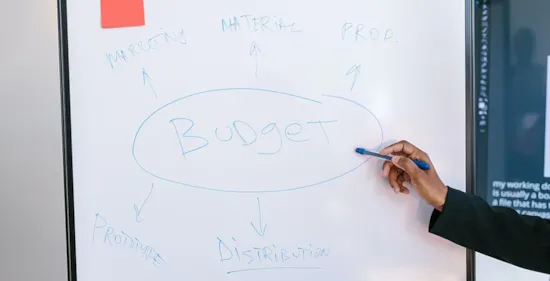
The beginning of a new year offers an invaluable opportunity for colleges and universities to reflect on past accomplishments, assess areas for growth, and chart a course for future success. For decision-makers in higher education, particularly those overseeing financial literacy programs or student success initiatives, this is a critical time to ensure your strategies align with institutional goals and student needs.
Here’s a guide to starting the year strong, with actionable insights to improve outcomes for your institution and your students.
Reflecting on the Past Year
Reflection is the foundation of growth. By examining the past year’s achievements and challenges, institutions can identify what worked well and where improvements are needed. Ask yourself:
- What successes can we build on? Consider milestones such as improved retention rates, enhanced student engagement, or positive feedback from campus surveys.
- Where are the gaps? Identify areas where programs underperformed or where student needs were not fully addressed.
- What lessons can inform our strategy? Analyze challenges and turn them into actionable insights.
Use iGrad’s analytics tools to review last year’s student financial wellness outcomes. Did your program reduce financial stress or improve budgeting and debt management skills among students? Pinpoint areas where targeted enhancements could better support their success.
Setting SMART Goals for Institutional Success
Goals drive progress, but only when they’re well-defined. Higher education decision-makers can use the SMART framework to ensure objectives are clear and actionable:
- Specific: Focus on a defined initiative, such as expanding a program or improving a specific metric.
- Measurable: Establish criteria for tracking success, like participation rates or retention improvements.
- Achievable: Set realistic goals given your institution’s resources and constraints.
- Relevant: Align goals with broader institutional priorities, such as increasing graduation rates or supporting student well-being.
- Time-bound: Set deadlines to keep progress on track.
Example SMART Goal: Increase student participation in financial wellness workshops by 25% by the end of the academic year.
Focusing on Key Priorities and Leveraging Resources
Higher education institutions often juggle competing demands. To achieve meaningful progress, focus on initiatives with the greatest potential impact, and use your resources wisely:
- Prioritize strategically: Rank programs and initiatives based on their alignment with institutional goals and their potential to benefit students.
- Collaborate effectively: Partner across departments to integrate financial wellness into broader student success efforts.
- Empower your team: Provide staff and faculty with the resources they need to support student success.
Incorporate iGrad’s financial literacy tools into professional development programs for faculty and staff. These resources help them better understand financial wellness and enable them to provide students with informed guidance on money management.
Encouraging Self-Care for Staff and Faculty
The well-being of your team is critical to achieving institutional goals. Encouraging self-care can help staff and faculty remain energized and focused throughout the academic year:
- Promote work-life balance: Encourage staff to set boundaries and take breaks to avoid burnout.
- Provide wellness resources: Offer access to mental health support and stress management workshops.
- Foster a supportive culture: Create spaces where staff can share challenges and successes with peers.
By supporting the well-being of your team, you create a positive environment that benefits both staff and students.
Looking Ahead: A Renewed Focus on Student Success
As you reflect and plan, keep student success at the center of your efforts. Financial wellness is a key component of academic achievement, graduation rates, and overall student satisfaction.
With iGrad’s platform, identify trends in student financial behaviors and develop tailored strategies to address areas of need. For example, if students are struggling with budgeting, consider adding targeted workshops or personalized learning paths to your program.
Partner with iGrad for a Strong Start
Reflection and renewal aren’t just about looking back – they’re about building a stronger future for your institution and your students. With iGrad, you can enhance financial wellness programs, reduce student financial stress, and improve outcomes for your campus community.
Ready to elevate your financial wellness strategy? Contact iGrad today to explore how our tools and resources can help you achieve your goals.