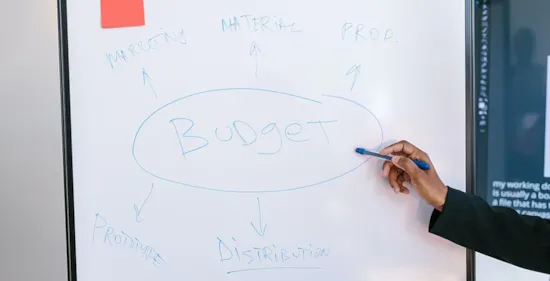
As the year draws to a close, it’s the perfect time for financial aid offices to reflect on the effectiveness of their financial literacy programs. A thorough year-end review provides invaluable insights into what’s working, what’s not, and where adjustments can be made to ensure that students are set up for financial success in 2025. By evaluating current efforts and setting new goals, financial aid directors can tailor their financial literacy programs to meet the evolving needs of students, which, in turn, supports key institutional objectives like retention and graduation rates.
Why a Year-End Review Matters
A review of existing financial literacy initiatives allows universities to gauge their impact and see how well they support student success. Financial challenges often stand in the way of academic progress, so programs aimed at strengthening students’ financial literacy are critical. By examining engagement rates, feedback, and student outcomes tied to existing programs, financial aid offices can determine how effectively their initiatives are meeting student needs.
This review also provides a foundation for setting targeted goals for the upcoming year. Whether it’s improving budgeting skills, reducing student reliance on high-interest loans, or increasing participation in savings programs, assessing what worked (or didn’t) allows for adjustments that directly impact student financial well-being and overall satisfaction.
Identifying Areas for Improvement and New Goals for 2025
A key part of any review is identifying areas where the program could be more impactful. For example, if budgeting workshops saw high attendance but low post-event engagement, it might indicate a need for more ongoing support or interactive follow-up. Similarly, if students struggled to engage with content on managing student loans or credit, a revamp of how that information is presented could increase understanding and retention.
New financial wellness goals could include expanding offerings, such as hands-on budgeting workshops, financial counseling sessions, or integrating digital tools that promote self-paced learning. Setting specific goals, like increasing workshop attendance or improving quiz scores on financial literacy topics, makes it easier to track progress and demonstrate the program’s effectiveness.
Incorporating iGrad’s Tools to Support Financial Wellness
Using the right tools can make a significant difference in program outcomes. iGrad provides a suite of personalized financial literacy resources that help students understand and take control of their finances. With self-paced learning modules, interactive assessments, and real-time feedback, iGrad offers a tailored experience that keeps students engaged and learning.
For example, iGrad’s budgeting tools and customized learning paths can guide students as they navigate complex financial topics, ensuring they’re prepared to handle their finances both during and after their college years. Financial aid offices can use iGrad’s reporting features to monitor progress, understand engagement, and pinpoint areas where students need additional support. By incorporating tools like these, financial aid teams can make data-driven decisions to continuously improve their programs and help students reach their financial goals.
Final Thoughts
A year-end review offers an invaluable opportunity for financial aid directors to enhance their financial literacy programs for the year ahead. By understanding the effectiveness of current programs and setting new, targeted goals, universities can better support student financial wellness. With iGrad’s resources, financial aid offices have access to the tools and insights needed to foster meaningful learning experiences and improve student outcomes in 2025.